Insights
Perspectives on forensic science, Virtual Autopsy, medical education, technology, and the evolving future of forensic care.
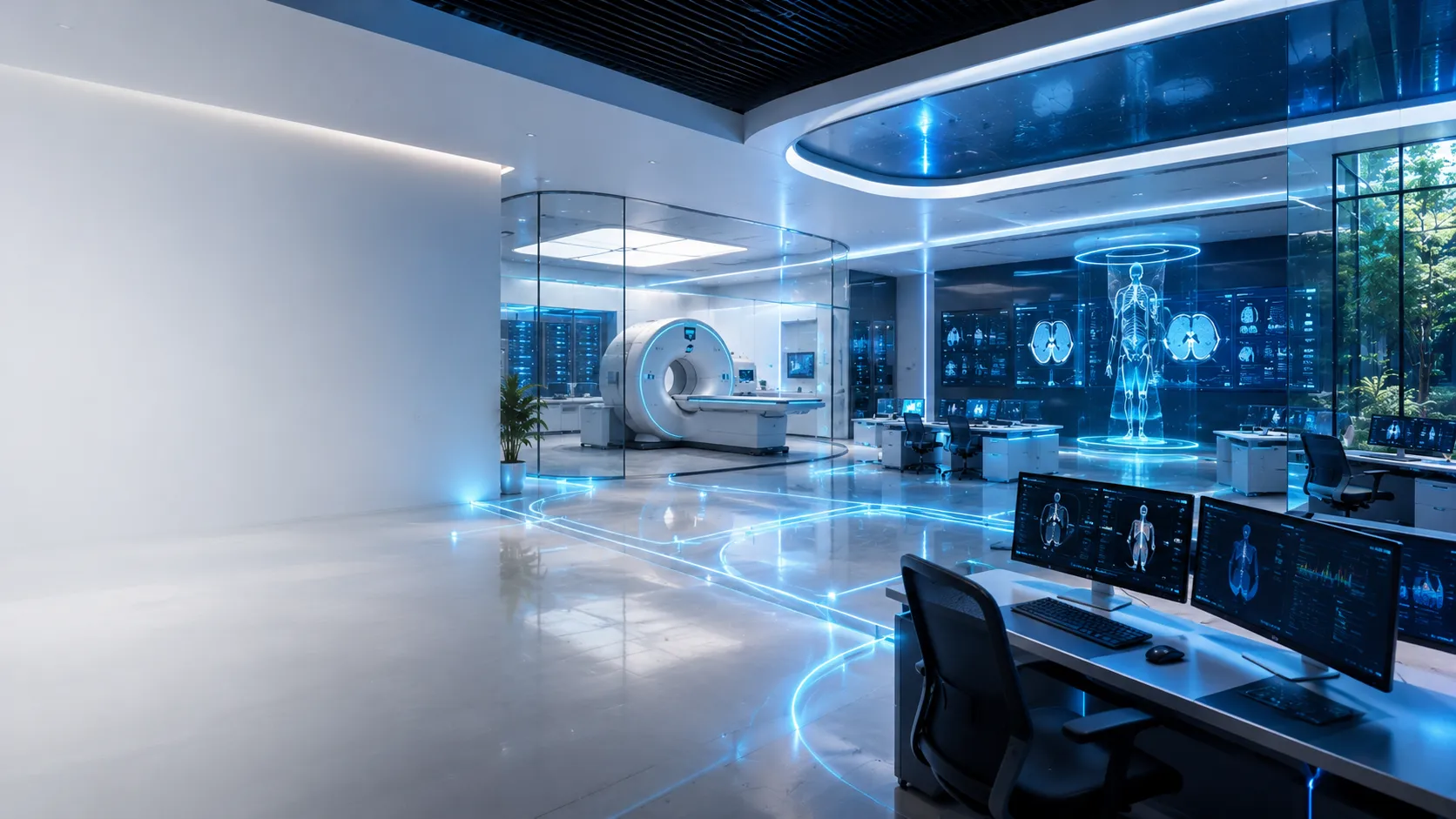
Why Virtual Autopsy Is Becoming an Essential Part of Modern Forensic Investigations
Virtual Autopsy is changing how forensic teams examine, document, and preserve post-mortem findings. From detailed imaging to reviewable digital evidence, it is adding a powerful new layer to modern forensic investigations while complementing established forensic practice.
READ ARTICLELeadership Guided by Experience.
Science Guided by Expertise.
SEVA brings together business leadership, forensic expertise, medical knowledge, technology, and implementation experience to build solutions around real institutional needs.
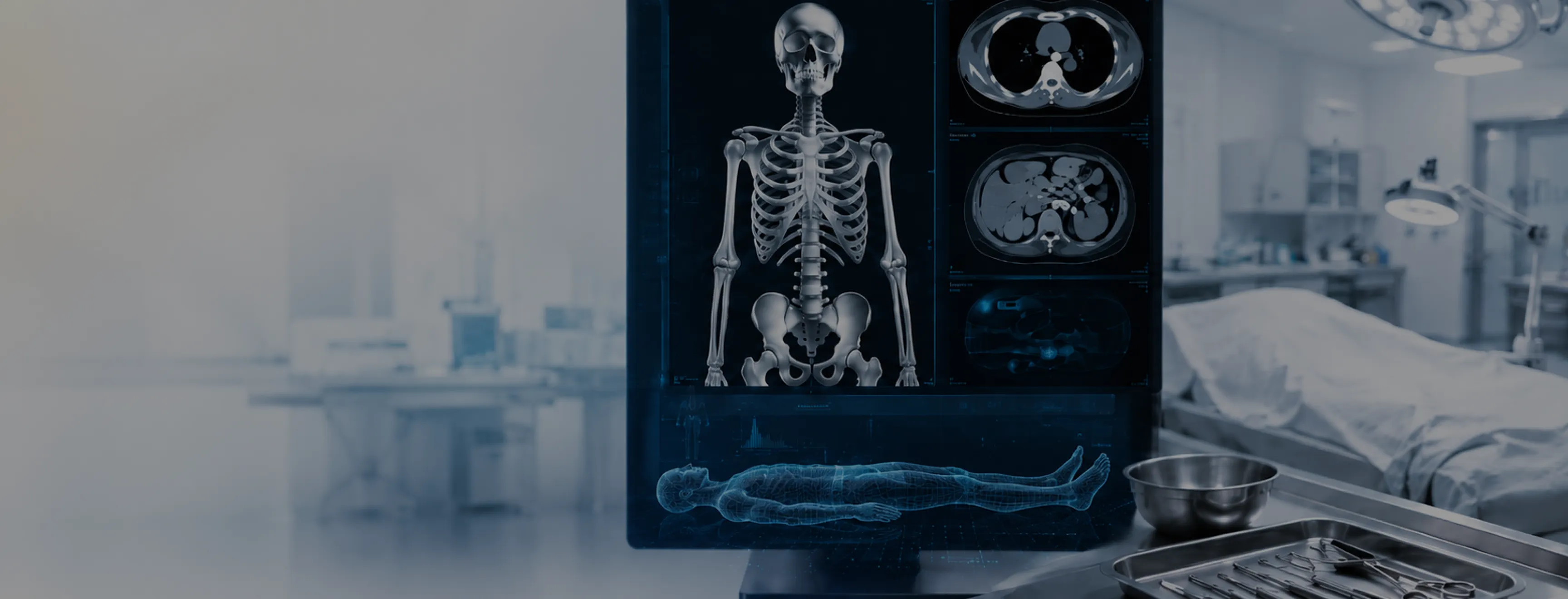
The Future of Virtual Autopsy: What the Next Decade Could Look Like
The future of virtual autopsy may be shaped by more than better imaging. Over the next decade, connected digital evidence, improved visualisation, AI-assisted analysis, education and stronger forensic workflows could change how post-mortem investigations are conducted, reviewed and learned from.
Virtual Autopsy vs Conventional Autopsy: Understanding Their Complementary Roles
Virtual autopsy and conventional autopsy offer different ways of examining evidence after death. Understanding where each method's strengths lie can help forensic teams build more complete investigations while improving documentation, reviewability and long-term learning.
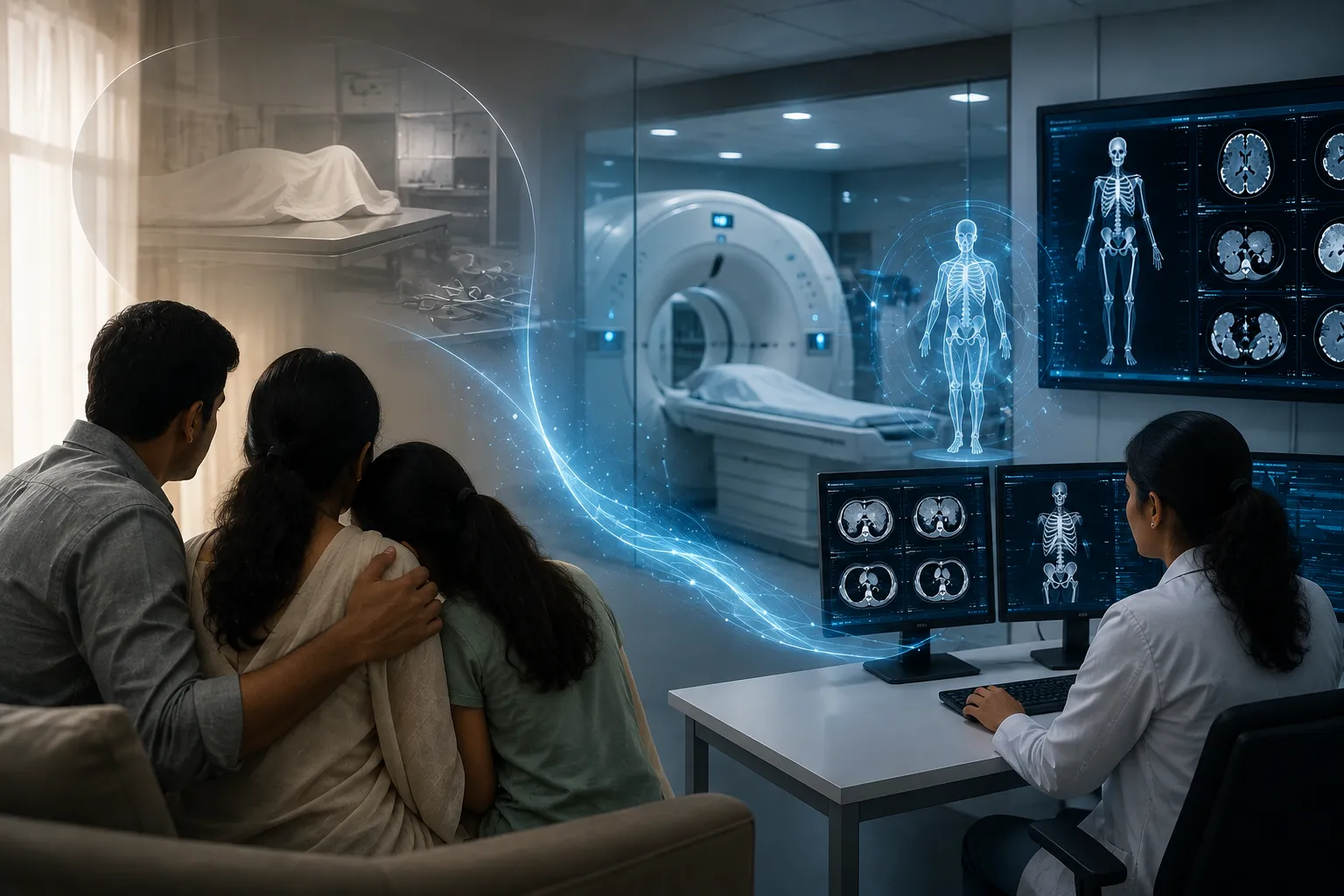
When Families Have Concerns About Autopsy: Can Technology Offer Another Way?
A non-invasive autopsy can offer another way to investigate death when families have concerns about conventional procedures. Advances in postmortem imaging and minimally invasive autopsy techniques are creating more options while keeping dignity, evidence and forensic judgement at the centre.
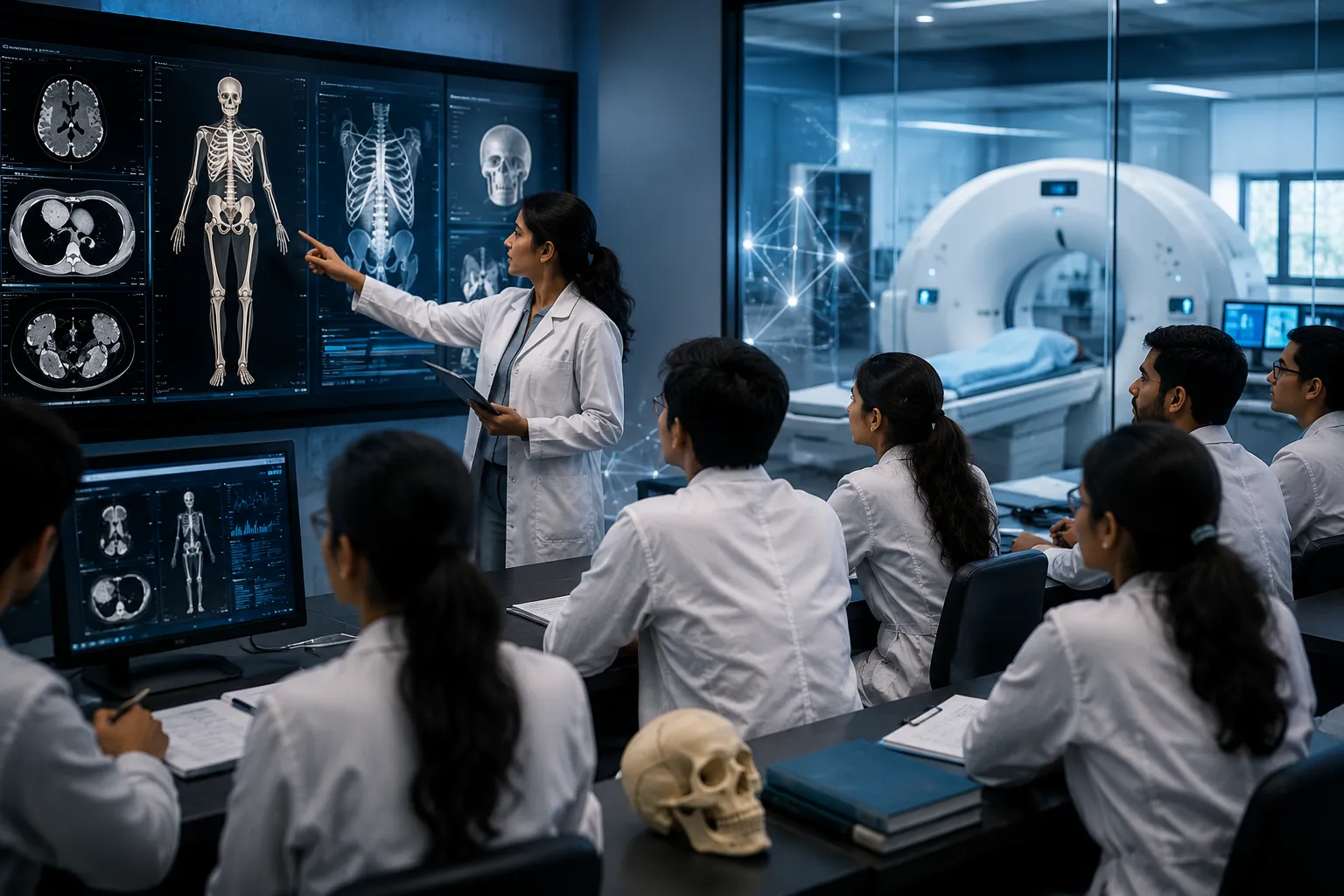
Why Medical Colleges Should Teach Virtual Autopsy Today
Virtual autopsy in forensic medicine is becoming increasingly relevant as imaging and digital evidence take center stage in modern forensic practice. Here are six reasons medical colleges should consider introducing virtual autopsy training alongside conventional forensic education.
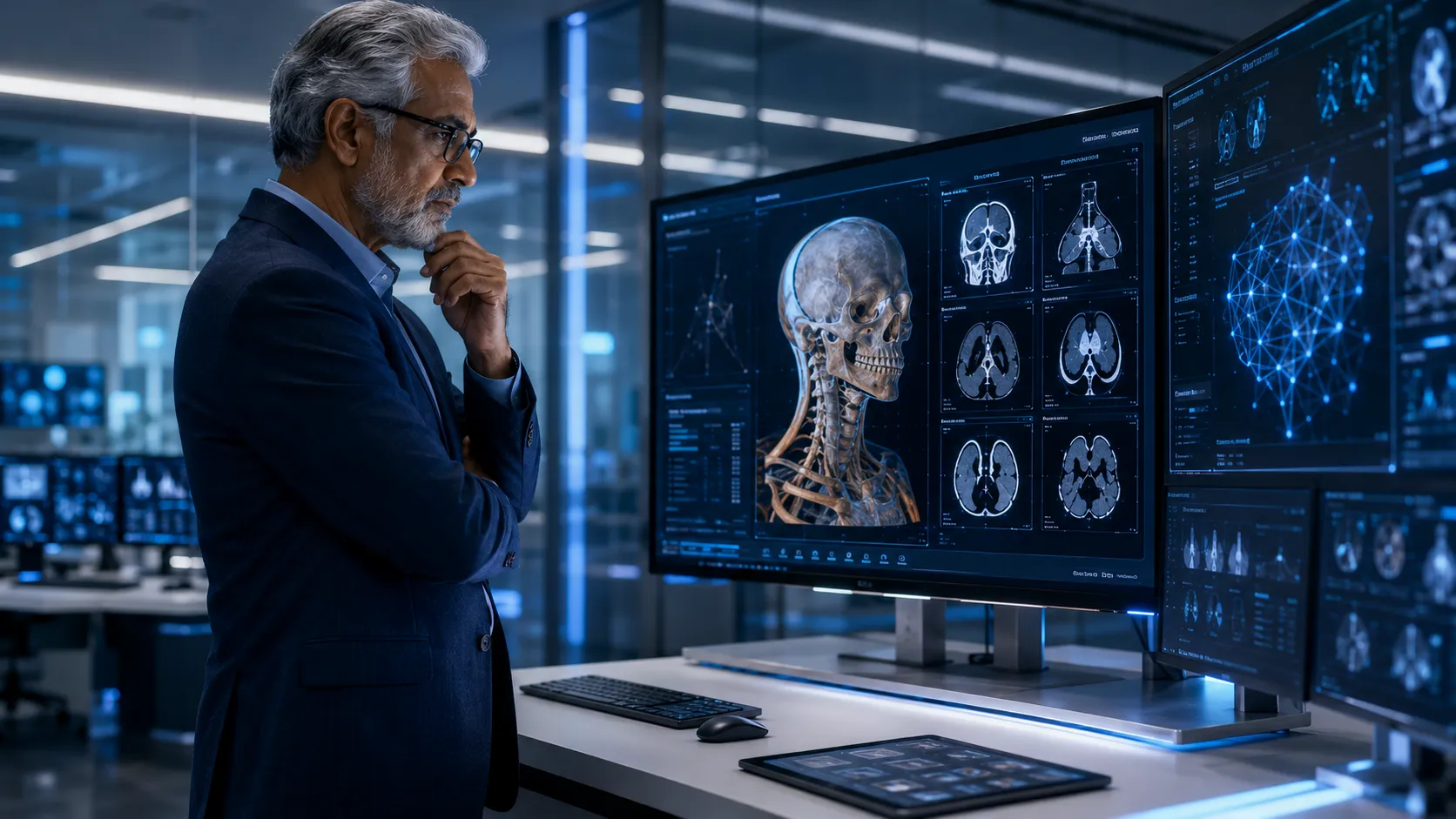
Mass Disasters Demand Better Technology: The Role of Virtual Autopsy in Disaster Victim Identification
Disaster victim identification becomes significantly more complex when fatalities occur at scale. Virtual autopsy and forensic imaging can support identification, documentation and evidence preservation while helping forensic teams build more coordinated, reviewable and dignified workflows.
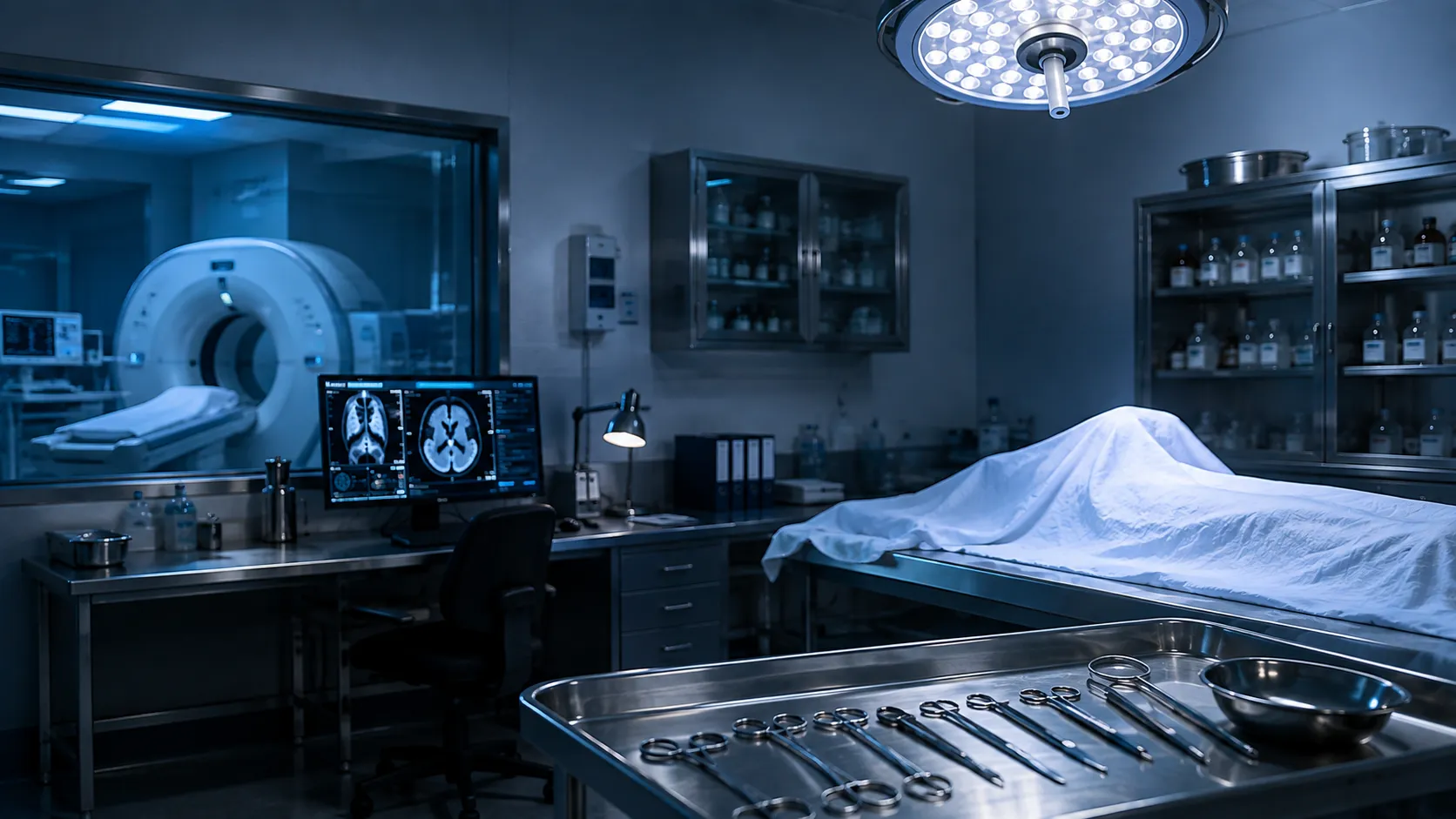
The Journey of Digital Evidence in Forensic Investigation from Crime Scene to Courtroom
Digital evidence can remain relevant long after a forensic examination is complete. Its journey from imaging and documentation to expert review and the courtroom depends on how carefully it is captured, preserved, interpreted and made accessible.
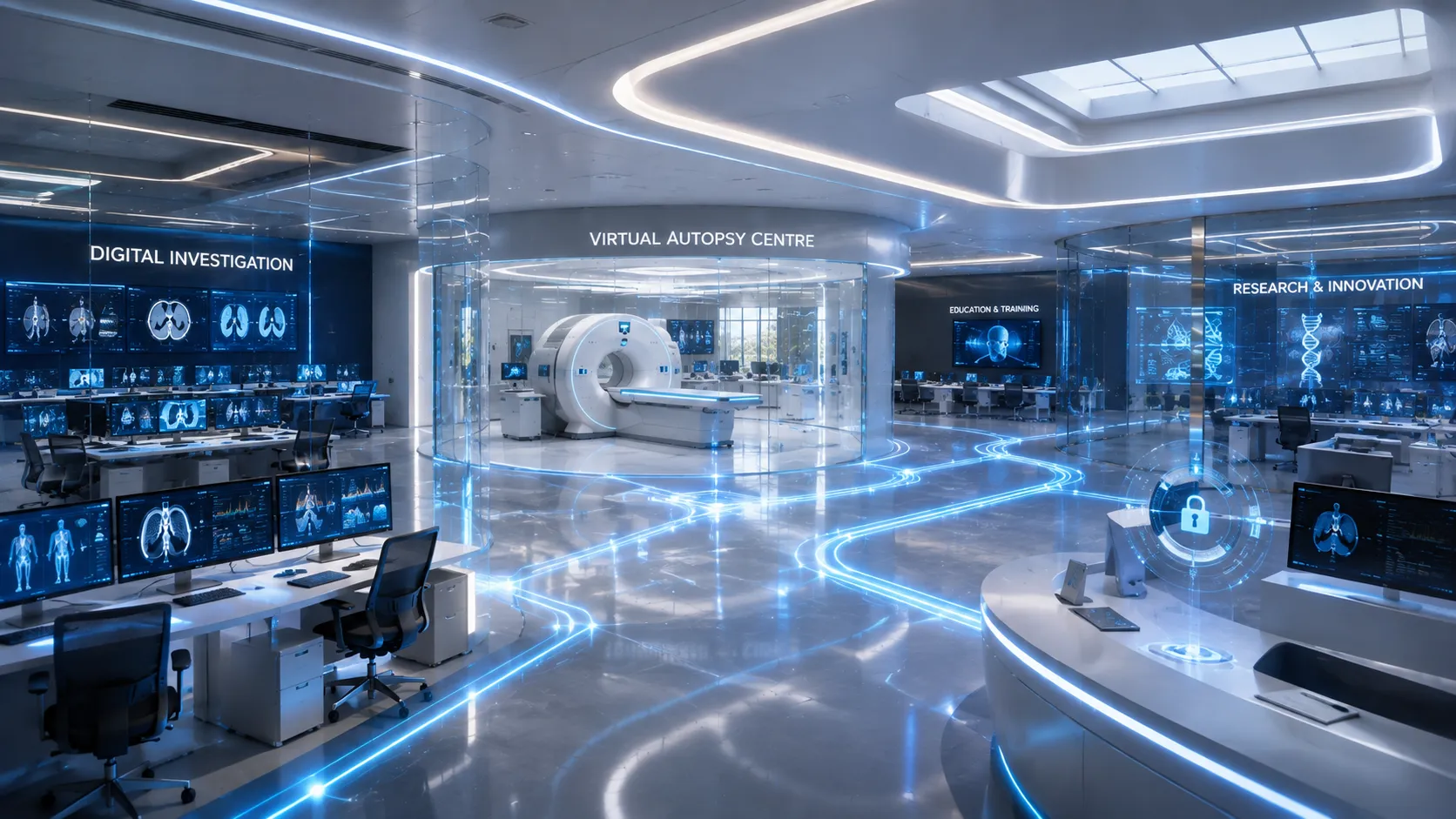
How CT Imaging Is Transforming Death Investigations Worldwide
Postmortem CT is giving forensic experts a new way to examine trauma, document findings, and preserve evidence digitally. Its growing use worldwide is also changing how we think about the relationship between imaging, autopsy and modern death investigation.
Why Virtual Autopsy Is Becoming an Essential Part of Modern Forensic Investigations
Virtual Autopsy is changing how forensic teams examine, document, and preserve post-mortem findings. From detailed imaging to reviewable digital evidence, it is adding a powerful new layer to modern forensic investigations while complementing established forensic practice.
Let's Build the Future of
Forensic Care Together.
Whether you're exploring Virtual Autopsy, strengthening institutional capabilities, or looking to collaborate with SEVA Technologies, we'd be glad to start the conversation.